Can Prozac cause weight gain?
Quick answer
Yes, Prozac can cause weight gain, but the label reports weight loss and lower appetite more often. In FDA label trials, weight gain showed up mainly in studies for premenstrual dysphoric disorder (PMDD). If your weight changes, talk to your prescriber rather than changing your dose on your own.
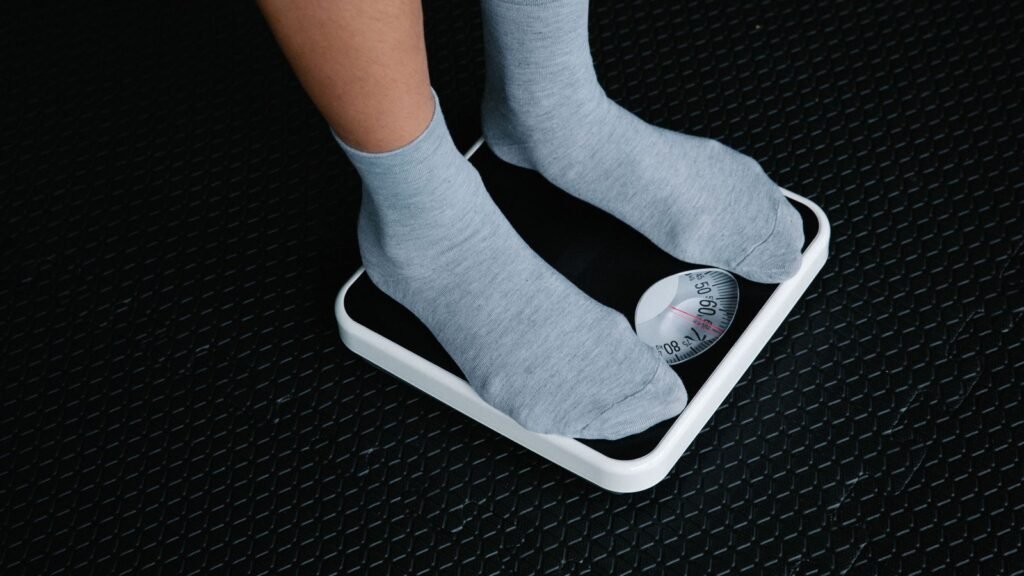
Can Prozac cause weight gain? For some people it can. Fluoxetine (Prozac) is a selective serotonin reuptake inhibitor (SSRI) used for depression, OCD, panic disorder, bulimia and PMDD. Its FDA label has a full section on appetite and weight, and the numbers point in both directions.
Can Prozac Cause Weight Gain? What the FDA Label Shows
The label says weight can change in either direction, and it tells prescribers to watch for it. In the Warnings and Precautions section (5.6), the Prozac label on DailyMed states: “Weight change should be monitored during therapy.” You can read how we check labels for our sourcing rules.
| Study group (product, label section) | Fluoxetine | Placebo |
|---|---|---|
| Lower appetite, depression trials (Prozac capsules, 5.6) | 11% | 2% |
| Lower appetite, OCD trials (Prozac capsules, 5.6) | 17% | 10% |
| Weight loss, depression trials (Prozac capsules, 5.6) | 1.4% | 0.5% |
| Weight gain of 7% or more, PMDD trials (fluoxetine tablets 20 mg, 5.6) | 8% | 1% |
| Weight loss of 7% or more, PMDD trials (fluoxetine tablets 20 mg, 5.6) | 7% | 3% |
The PMDD data come from the fluoxetine tablets label. In those trials, more people gained a meaningful amount of weight on fluoxetine than on placebo. In the bulimia trials, people on Prozac 60 mg lost an average of 0.45 kg (about 1 pound) over 16 weeks.
Why your weight might change
Depression itself often changes appetite and weight, according to the National Institute of Mental Health. So a change on Prozac may come from the medicine, from your mood shifting, or both. The label does not separate these causes, and your prescriber is the best person to help sort it out.
What about Prozac combined with olanzapine?
Fluoxetine is also sold combined with olanzapine (Symbyax) for bipolar depression and treatment-resistant depression. That label warns that atypical antipsychotics like olanzapine are linked to weight gain, high blood sugar and higher cholesterol (section 5.5). If you take this combination, weight gain is a much more likely side effect than with fluoxetine alone.
What Are the Most Common Side Effects of Prozac?
Nausea, headache, trouble sleeping and nervousness are the most common side effects in Prozac trials. The table below lists pooled results from the Prozac capsules label (Adverse Reactions, section 6.1, Table 4).
| Side effect | Fluoxetine | Placebo |
|---|---|---|
| Nausea | 22% | 9% |
| Headache | 21% | 19% |
| Trouble sleeping (insomnia) | 19% | 10% |
| Nervousness | 13% | 8% |
| Anxiety, sleepiness | 12% each | 6%, 5% |
| Diarrhea, weakness | 11% each | 7%, 6% |
| Lower appetite | 10% | 3% |
| Dry mouth, tremor, dizziness | 9% each | 6%, 2%, 6% |
| Sweating | 7% | 3% |
The label also lists sexual side effects, such as lower sex drive and delayed orgasm or ejaculation (section 5.17). Many side effects are mild, but tell your prescriber about any that bother you. The label notes the full effect on depression may take 4 weeks or longer (section 2.1).
When Should You Stop Taking Prozac Due to Side Effects?
Most side effects, including weight change, are not a reason to stop Prozac on your own. Talk to your prescriber first, because the label recommends lowering the dose gradually rather than stopping suddenly (section 5.15).
Stopping an SSRI can cause discontinuation symptoms, such as dizziness, irritability, anxiety, headache and electric shock feelings. Fluoxetine leaves the body slowly, which the label says may lower this risk, but a planned taper is still advised.
A few side effects need urgent care instead. The label says to stop Prozac right away and get treatment if signs of serotonin syndrome appear (section 5.2). Severe allergic reactions, mania and seizures also need prompt medical attention. Those signs are listed in the When to Get Help section below.
Keep a simple weight log
Weigh yourself once a week at the same time of day and write it down. A clear record helps your prescriber decide whether a change is linked to Prozac, your mood or something else.
How to Talk to Your Doctor About Weight Changes on Prozac
Bring numbers and timing to your appointment. Note your starting weight, your current weight, your dose and when you started or changed it. Also mention changes in appetite, sleep and activity.

Your prescriber may check other medicines that affect weight, review your diet and exercise, or discuss other options. Never switch, lower or stop Prozac without that conversation. If you take other medicines, check them on our fluoxetine (Prozac) interactions page.
When to Get Help
Call your doctor or pharmacist if
- You gain or lose weight steadily without trying
- Your appetite drops so much that you skip meals, especially if you are already underweight
- Side effects such as nausea, poor sleep or sexual problems do not ease
- A child or teen on fluoxetine is not gaining weight or height as expected
- You want to stop or change your dose
Call 911 or Poison Control (1-800-222-1222) right away if
- You have thoughts of suicide or harming yourself (you can also call or text 988)
- You have agitation, confusion, fever, sweating, a racing heart, stiff muscles or twitching (possible serotonin syndrome)
- You have trouble breathing or swelling of the face, tongue or throat
- You have a seizure, fainting or a fast or irregular heartbeat
- Someone may have taken too much fluoxetine
Frequently asked questions
Does Prozac increase your appetite?
The label reports the opposite more often. Lower appetite affected 10% of people on fluoxetine compared with 3% on placebo in pooled trials. Some people do report weight gain, especially in the PMDD trials, so watch your own pattern.
Is Prozac approved for weight loss?
No. The FDA has approved Prozac for depression, OCD, bulimia, panic disorder and, with olanzapine, certain types of depression. The fluoxetine tablets label adds PMDD. Weight loss is not an approved use.
Do children gain less weight on Prozac?
They can. The label says children on fluoxetine gained an average of 1.1 kg less weight and 1.1 cm less height than children on placebo after 19 weeks (section 8.4). The label advises checking height and weight regularly in children and teens.
Is Prozac less likely to cause weight gain than other SSRIs?
FDA labels do not compare SSRIs head to head for weight, so we cannot rank them from labels alone. You can see what other labels say in our guides on whether sertraline can cause weight gain and whether Lexapro can cause weight gain. Your prescriber can compare options for your situation.
Can drinking alcohol on Prozac affect your weight?
Alcohol adds calories and can affect mood and sleep, which may make weight changes harder to track. For the safety side of mixing them, read our guide on whether you can drink on Prozac.
Check your combination
Taking Prozac with other medicines or supplements? Check everything you take with our free interaction checker.
Sources
- Prozac (fluoxetine capsules) label, Dosage and Administration 2.1, Warnings and Precautions 5.2, 5.6, 5.15, 5.17, Adverse Reactions 6.1, Pediatric Use 8.4, Medication Guide
- Fluoxetine tablets (PMDD) label, Warnings and Precautions 5.6 Altered Appetite and Weight, Table 2
- Olanzapine and fluoxetine capsules label, Warnings and Precautions 5.5 Metabolic Changes
- National Institute of Mental Health, Depression signs and symptoms
This information is for education and is not medical advice. Do not start, stop or change a medicine without talking to your doctor or pharmacist.